
Chưa được phân loại
Low MOQ Clothing Manufacturing in Vietnam: What New Brands Should Know
Starting a clothing brand rarely begins with a factory that is ready to produce thousands of units on day one. Most new brands start small, testing a handful of styles, a limited color range, and a modest quantity before they know which products will actually sell. This is exactly where the idea of a low MOQ clothing manufacturer Vietnam becomes relevant, since it allows a brand to produce a realistic first batch without overcommitting cash flow or warehouse space to unproven designs.
This article walks through what low minimum order quantity production really means in a Vietnamese manufacturing context, how the process differs from bulk manufacturing, what a new brand should prepare before reaching out to a factory, and the common mistakes that slow down a first order. The goal is to help brand owners approach their first production run with realistic expectations, a clearer budget, and a practical checklist in hand before the first email is even sent to a factory.
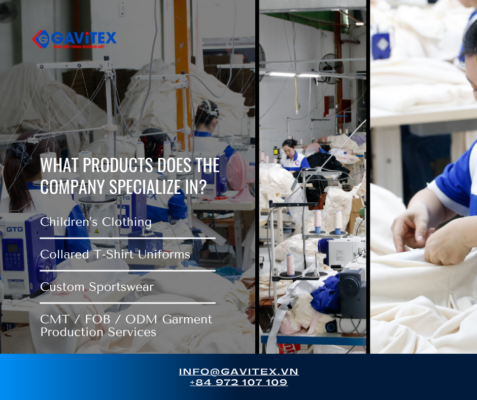
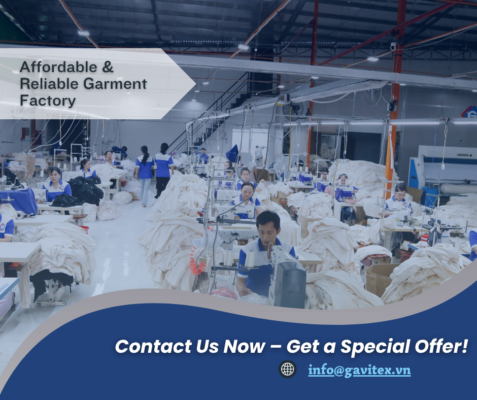
Understanding What “Low MOQ” Really Means in Vietnam
The term MOQ, or minimum order quantity, refers to the smallest number of units a factory is willing to produce in a single production run. In Vietnam, MOQ can vary enormously depending on the type of garment, the fabric used, and whether the factory works mainly with large export clients or also accepts smaller domestic and international orders.
In practice, “low MOQ” is a relative term rather than a fixed number. For a factory used to producing tens of thousands of pieces per style, an order of a few hundred units might already count as low MOQ. For a smaller workshop that specializes in sampling and short runs, the same order might be considered a normal, mid-sized job. Because of this, it is worth asking each factory directly what their MOQ threshold is for the specific product category you are planning, rather than assuming a single industry-wide number applies everywhere. It also helps to understand that MOQ is sometimes counted per color, per size, or per fabric roll rather than as one single overall figure, so clarifying this early prevents confusion later.
Why New Brands Often Start With Small Production Runs
Most new brands simply do not yet know how their designs will be received. Starting with a small batch lets them test pricing points, collect real customer reactions, and identify which colors and sizes move quickly before locking in a bigger production commitment.
This approach reduces the financial risk of ending up with excess inventory that has to be discounted or stored for months. A smaller first order also gives the brand room to adjust: fit issues, fabric feel, or finishing details that only become obvious once real customers try the product can be corrected in the next production cycle. There is also a practical cash flow reason, since many new brands are self-funded or working with limited early-stage capital, and tying up a large amount of money in a single bulk order can be risky before a collection has been properly tested with real buyers.
How Low MOQ Manufacturing Actually Works in Practice
Working with a low MOQ clothing manufacturer Vietnam usually starts with a conversation about the product itself: what garment type is being produced, what fabric is required, how many colors and sizes are involved, and what kind of finishing or printing is expected.
Based on this information, the factory can estimate whether the order fits within its accepted range and give a rough idea of cost per unit. Because small orders are less efficient for a factory to run, some handle them through a separate small-batch or sampling department rather than the main production line, sometimes using different machines or a dedicated team more accustomed to frequent style changes. Lead times for smaller runs can sometimes be shorter than bulk orders simply because less fabric needs sourcing and less cutting time is required, although this is never guaranteed since the order still has to fit into the factory’s existing schedule.
What to Prepare Before Contacting a Factory
Before reaching out to any manufacturer, it helps enormously to have a clear idea of what you are asking for. This includes a basic tech pack or at least a clear sketch, reference photos of similar garments, a preferred fabric type or weight, and an estimated size range.
The more specific this information is, the faster and more accurate the factory’s quotation will be. It is also useful to prepare a rough production timeline in advance, including when you would like to receive the finished goods, since factories often work with multiple clients at once and a realistic window rather than an urgent last-minute deadline increases the chance of getting a slot without paying a rush fee. Finally, consider preparing a short list of questions covering MOQ per color, sample cost and lead time, payment terms, and quality control procedures, so that every factory you contact can be compared fairly using the same criteria.
Fabric and Material Considerations for Small Orders
One part of small-batch production that surprises many new brands is fabric sourcing. Fabric suppliers usually set their own minimum order quantities, and these can be larger than the minimum the garment factory requires.
This means a small clothing order might still require purchasing a relatively large roll of fabric, especially for custom colors or specialty materials. One practical way around this is to choose fabrics that the factory already stocks or sources regularly for other clients, rather than requesting a completely custom fabric for a first small order, which can reduce both cost and lead time significantly. If a custom fabric is essential to the brand’s identity, it is worth asking the factory directly whether they can source smaller fabric quantities through their existing supplier relationships, since established factories sometimes have more flexibility with mills than a new brand would have alone.
Sampling: The Step Most New Brands Underestimate
Sampling is the stage where a factory produces one or a few pieces of a design so the brand can check fit, fabric, and construction before committing to the full production run.
For a new brand, this step is arguably more important than the production run itself, since it is the last opportunity to catch problems before hundreds of units are made. A common mistake is treating sampling as a formality and rushing through it to save time, when in reality it is worth going through at least one or two rounds of revisions, checking seams, stitching quality, sizing accuracy, and how the fabric behaves after washing. Sample costs and lead times vary by factory, and some charge a sampling fee that may or may not be credited back once the full order is placed, so it is worth asking about this upfront.
Pricing: Why Small Orders Cost More Per Unit
It often surprises first-time brand owners that a small production run comes with a higher unit cost than the bulk prices commonly advertised by larger factories.
This happens because fixed costs, such as machine setup, pattern making, and fabric cutting preparation, are spread across fewer units, making each individual piece more expensive to produce. Labor efficiency also plays a role, since sewing lines are generally more productive when running the same style repeatedly for a longer period, so frequent style changes for small batches can reduce overall efficiency and add cost. Understanding this in advance helps new brands set realistic retail pricing from the very first collection, rather than assuming that unit costs will stay the same as the order grows, since per-unit costs typically become more competitive as quantities increase in later production cycles.
Quality Control on Smaller Production Batches
For a small order, quality control carries extra weight, since a handful of defective pieces represents a much larger percentage of the total run than it would in a bulk order.
Establishing a clear quality standard with the factory before production begins, including acceptable tolerances for measurements and stitching, helps avoid disputes after the goods are finished. Some brands choose to request photos or videos of the finished goods before shipment, especially when working with a factory for the first time, allowing them to catch obvious issues early and request corrections before the entire order is packed and shipped. For brands working remotely, building a simple checklist of what to inspect, such as color consistency, print or embroidery placement, and overall finishing, gives the factory clear expectations and makes remote quality checks far more effective.
Common Mistakes New Brands Make With Small Orders
Many brands make the mistake of leaving a factory after just one bad experience, rather than first having an honest conversation about what went wrong and whether it can be resolved.
Miscommunication, unclear specifications, or missing details in the original brief are often the real cause of production problems, rather than the factory’s capability itself. Another common issue is underestimating the importance of a written agreement covering price, quantity, delivery date, and quality standards, even for a small trial order, since without this both sides may have different expectations that only surface once the goods are finished. Finally, some brands focus only on price when comparing factories, without considering communication quality, sampling turnaround, and willingness to work with a smaller order, when a slightly higher unit price from a factory that communicates clearly is often the better long-term choice.
Checklist Before You Contact a Low MOQ Manufacturer
- Have a tech pack or detailed sketch with measurements ready
- Decide on fabric type, weight, and preferred color range
- Clarify MOQ per color and per size in addition to the total order
- Confirm sample cost, expected lead time, and the revision process
- Agree on payment terms and delivery date in writing
- Establish quality control expectations before production is scheduled
Working with a smaller production run in Vietnam requires more preparation than many new brands expect, but it also offers a safer way to test a collection before committing larger amounts of capital. Clear specifications, careful sampling, and honest conversations with the factory about MOQ and pricing all contribute to a smoother first experience.
None of this requires perfection on the first attempt. Factories that regularly work with new brands are generally used to answering detailed questions and guiding first-time clients through the process, so approaching the relationship with clear communication and reasonable expectations usually matters more than arriving with a flawless production plan.
A low MOQ clothing manufacturer Vietnam can be helpful for new brands that want to test the market before scaling to larger production quantities.
Order now / Get a quote: +84 972 107 109
